
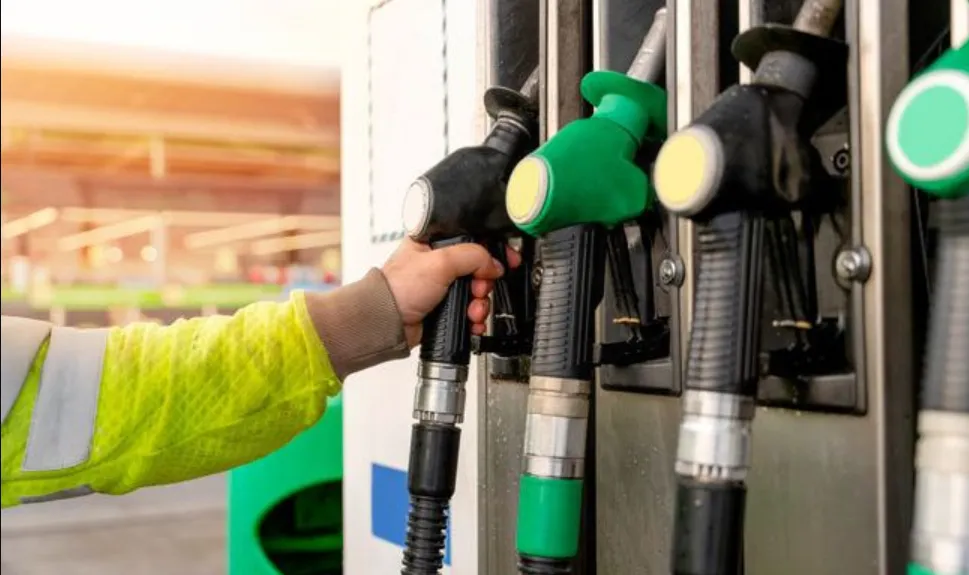
Fuel spending sits at the top of most fleet budgets, yet many businesses still manage it with the same tools they use for office supplies: a general-purpose credit card and a hope that drivers stay honest. That approach leaves thousands of dollars in potential savings on the table every quarter. Structured fuel card programs for managing business fuel costs replace that guesswork with automated tracking, enforceable purchase limits, and per-gallon discounts that reduce what a company pays at the pump.
The U.S. average retail gasoline price in 2024 was $3.30 per gallon, according to the Energy Information Administration. While that marked a 6% decrease from 2023, diesel prices held closer to $3.70 per gallon throughout the year. For businesses operating fleets of commercial vehicles, even small per-gallon reductions compound into significant annual savings when multiplied across thousands of fill-ups.
Why fuel expenses are difficult to control without structure
Fuel costs fluctuate with crude oil prices, seasonal demand shifts, and regional tax differences. The West Coast averaged $4.18 per gallon in 2024, while the Gulf Coast stayed near $2.89 per gallon. A fleet operating across multiple states faces wildly different price environments, and without a structured fuel card program, drivers gravitate toward the most convenient station rather than the most cost-effective one.
The problem extends beyond pump prices. Manual expense tracking creates blind spots. Credit card statements show totals but miss the details that drive business fuel costs higher: unauthorized purchases, premium fuel when regular is specified, personal vehicle fill-ups, and unnecessary detours to off-route stations. Each of these issues bleeds money, and traditional payment methods have no mechanism to prevent them.
Fuel cards solve this by building controls directly into the payment process. When a driver can only purchase approved fuel types at approved locations within a preset gallon limit, the margin for waste shrinks dramatically.
How purchase limits and transaction controls reduce waste
Fleet fuel card programs let managers define spending rules for each card issued. These rules include daily gallon caps, per-transaction dollar limits, fuel-type restrictions, approved station networks, and allowed hours of use. Every rule enforces discipline at the point of sale, stopping unauthorized spending before it hits the books.
Over 90% of fleet cards in the United States require drivers to input vehicle data at the pump, based on a Visa fleet innovation study. Odometer readings, driver ID codes, and vehicle identification numbers become part of the transaction record. This means every fill-up generates a structured data point that feeds into the company’s reporting system, providing management with detailed monitoring of each vehicle’s fueling behavior.
For businesses struggling with rising expenses, these controls create immediate impact. Purchase limits alone eliminate the category of spending that falls outside approved parameters. When drivers know that their card will decline non-fuel items or reject a fill-up that exceeds the daily gallon cap, fueling behavior changes.
Building visibility through automated reporting
The reporting capabilities built into fleet card platforms turn raw transactions into meaningful business intelligence. Managers can sort expenses by driver, vehicle, route, time period, or station to identify where fuel costs are highest and why.
This level of access to tracking data reveals patterns that aggregate expense reports hide. One driver might consistently fill up at stations with above-average pricing. Another might refuel every day when the route only requires fueling every other day. A third might show unusually high gallons per mile, suggesting excessive idling or an engine that needs maintenance. These insights let managers optimize routes, adjust driver assignments, and improve overall fleet efficiency.
Fuel represents more than 49% of commercial fleet operational expenses, according to research cited by Market Growth Reports. With nearly half of the operating budget flowing through fuel transactions, visibility into those costs directly influences profitability. Automated reporting gives managers the data they need to make informed decisions about routing, driver coaching, vehicle assignments, and budget allocation.
Station network access and per-gallon discounts
Fleet cards deliver direct savings through negotiated per-gallon discounts at participating stations. Closed-loop programs, which restrict purchases to a single brand’s network, offer the deepest price reductions because the discounts are negotiated directly between the card issuer and the station operator.
Network coverage affects daily operations in a practical way. Drivers with convenient access to approved fueling locations stay on route and avoid detours. For businesses operating regional fleets on predictable corridors, a well-positioned station network aligns fueling stops with delivery schedules and reduces wasted mileage.
Broader dual-network cards provide flexibility for fleets covering larger geographic areas. These cards are the fastest-growing segment of the market because they balance discount access with the convenience of fueling at multiple branded locations. For businesses expanding into new service areas, this flexibility prevents the logistical friction of having drivers search for approved stations in unfamiliar territory.
Security layers that protect fuel budgets
Fuel fraud is a persistent drain on fleet budgets. Common schemes include sharing cards with unauthorized users, fueling personal vehicles, purchasing non-fuel merchandise at the convenience counter, and filling up outside approved hours. Each type of misuse represents a direct cost to the business.
Modern fleet card programs counter these risks with real-time transaction monitoring. Automated alerts flag purchases that fall outside normal patterns, whether that means a card swiped at 3:00 a.m., a fill-up exceeding daily limits, or a transaction at an unapproved station. These alerts reach fleet managers within hours, not weeks.
Transaction-level security provides a complete audit trail. Managers can review every purchase across the fleet, compare driver activity against expected behavior, and investigate anomalies before they become recurring problems. This combination of prevention and detection keeps fuel expenses aligned with approved budgets and reduces the financial impact of unauthorized spending.
Building a fuel cost reduction strategy that scales
Fleet managers who implement fuel card programs with clear communication and proper oversight report consumption reductions of 5% to 15%, according to Shell Fleet Solutions research. For a fleet spending $30,000 per month on fuel, even the low end of that range translates to $1,500 in monthly savings and $18,000 annually.
The fleet card market reflects this proven value. The global fuel card market reached $1.62 billion in 2024 and is projected to grow at 6.7% annually through 2034, based on Fact.MR analysis. Businesses across industries are adopting these solutions because they deliver measurable cost optimization through a combination of discounts, controls, and reporting.
Selecting the right program means evaluating network coverage, discount structures, security features, reporting depth, and integration with existing fleet management solutions. A card program that fits a fleet’s routes, size, and operational needs becomes more than a payment method. It becomes a cost management tool that strengthens financial discipline as the business grows.
